Overview
Ontario has its own rules about who inherits, and they are not the rules your faith sets out. Die without a will here and the Succession Law Reform Act divides your estate by a provincial formula that makes no reference to the fixed shares of Faraid, and leaves no room for the one-third you may wish to give as a bequest.
An Islamic will, a Wasiyyah, changes that outcome. In legal form it is an ordinary Ontario will. What makes it Islamic is the distribution it directs. What makes it work is that it is drafted clearly and executed exactly the way the province requires, so a court gives effect to it rather than setting it aside.
Our role is the legal one, and we want to be plain about its limits. We draft the document, get the signing right, and make sure the paperwork does what you intend. The religious side — who counts as an heir, and what each takes — is confirmed with a qualified scholar, and we will not put our view in place of theirs.
How we help
Sharia-compliant wills (Wasiyyah)
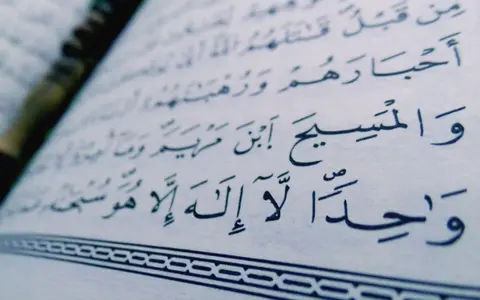
We draft a will that directs an Islamic distribution and meets Ontario's requirements for validity. It names your estate trustee and an alternate, sets out how the estate is divided, and records your wishes on debts, funeral and prompt burial — so nobody is guessing in the first day. It reads in plain English.
Faraid-based distribution clauses
Once you and your scholar settle which relatives inherit and in what proportion, we write that into enforceable clauses — including what happens if an heir dies before you, which is where home-made wills most often fail. For a sense of the shares beforehand, try our free Islamic inheritance (Faraid) calculator.
The one-third bequest and charitable gifts
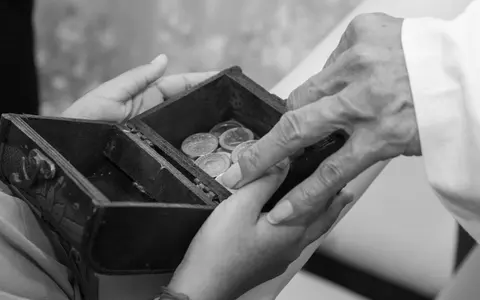
It is widely accepted that up to one-third of an estate may be directed to people who are not fixed heirs, or to charity — a grandchild whose parent died first, a friend, a masjid, an ongoing sadaqah jariyah. We draft that gift so it stays inside the permitted portion and cannot eat into the heirs' shares.

Guardianship of your children
Your will can name the people you want to raise your children if both parents die. In Ontario a parent's appointment is temporary on its own and a court has the final say, but your choice carries real weight and spares your family a contested application. We help you name a backup too.

Powers of attorney for property and personal care
Planning is not only about death. Separate documents let someone you choose manage your money and make health and care decisions if you cannot. They can record what matters to you — halal care preferences, who should be consulted, how far treatment should go — and we draft them alongside the will.

Joint ownership and beneficiary designations
A will only governs what forms part of your estate. A house held in joint tenancy, or an RRSP or policy with a named beneficiary, can pass outside it entirely and defeat the distribution you arranged. We review how your assets are held and, where it matters, bring them back within the will's reach.
Working with your imam or scholar
We are comfortable joining a call with your scholar, or working from written guidance they have given you. Their job is to confirm the religious distribution; ours is to turn it into a document Ontario law will enforce. A plan is only sound when both halves have been done properly.
How it works
- 1
A free 30-minute consultation
We listen to your situation — family, dependants, property, and what you want to happen. No obligation, and available Saturdays between 10 and 3 if weekdays are difficult.
- 2
We map what is actually in your estate
Titles, joint accounts, registered plans and insurance designations. This is where we find the assets that would otherwise bypass your will entirely.
- 3
Your scholar confirms the distribution
You settle the religious calculation with a qualified scholar. We can join that conversation, or work from written guidance you bring us.
- 4
We draft, and you read it properly
A plain-English draft covering the distribution, the bequest, guardians and your estate trustee. You take it away, ask questions, and we revise until it is right.
- 5
We sign and witness it correctly
Executed the way Ontario requires, with independent witnesses, so the document cannot be attacked on a technicality. We store the original and you keep copies.
What makes an Islamic will valid under Ontario law?
Ontario does not treat a will differently because its distribution follows religious principles. Your freedom to decide who benefits from your estate is broad, and a will directing an Islamic distribution is enforced on the same footing as any other. What the province insists on is the form.
Under the Succession Law Reform Act, a typed will must be signed by you in front of two or more attesting witnesses present at the same time, who then sign as well. Since 2021 that may be done by audio-visual link if at least one witness is a lawyer or paralegal licensed here. Two traps catch people using kits: a beneficiary who witnesses the will loses their gift, and a defective will can only be rescued through costly litigation after your death.
How do the fixed shares and the one-third bequest fit together?
Islamic inheritance is generally described as working in a set order: funeral and burial costs, then debts, then any valid bequest within the permitted limit, and what remains divided among the fixed heirs. The widely accepted structure is that at least two-thirds reaches the fixed heirs, with up to one-third available to direct elsewhere.
The shares themselves are not a simple table. Which relatives survive you changes what the others receive, and a bequest to someone already a fixed heir is treated differently again. For a sense of the arithmetic beforehand, you are welcome to use our free Islamic inheritance (Faraid) calculator, which costs nothing and asks for no sign-up.
Treat it as a starting point. It reflects the position most commonly taught, and schools of thought differ legitimately. The calculation for your family should be confirmed by a qualified scholar, and we draft to whatever they confirm.
What happens to jointly-held property?
This is the most common way an Islamic distribution is quietly defeated. When two people own property as joint tenants with a right of survivorship, the survivor takes the whole of it automatically on the first death. The deceased's interest never forms part of the estate, so the will never reaches it.
Picture a home held jointly by a husband and wife, put that way years ago on a lender's suggestion. On his death it passes entirely to her by operation of law. The children receive nothing from it, whatever the will says and whatever the fixed shares would otherwise require. The same applies to an RRSP, TFSA or insurance policy with a named beneficiary. Joint ownership is sometimes right — so check how everything is titled before the will is drafted, not after.
How do you work with my imam or scholar?
The division is clean. Your scholar decides the religious question: who counts as an heir in your circumstances, what proportion each takes, whether a particular bequest is permitted. We decide nothing about that, and we would not be serving you if we pretended otherwise.
What we do is everything that follows — translating the distribution your scholar confirms into clauses that survive contact with an Ontario court: what happens if an heir predeceases you, how debts and taxes are borne, and who has authority to act. If you have no scholar you regularly turn to, we will encourage you to find one before we finalise the will rather than filling that gap ourselves. We meet clients in English, Urdu, Hindi and Punjabi.
What it costs
An Islamic will is usually quoted as a flat fee rather than by the hour, because the work is predictable: the meeting, the drafting, the revisions, the signing. Couples are commonly done together, and powers of attorney added to the same package. You get the figure in writing before you decide.
If your situation is more involved — property abroad, a business, a blended family — we say so at the free 30-minute consultation rather than quoting low and revising later.
What your family is left with
The point is that nobody has to guess or argue later. Your family should open one document and know what you wanted, who is in charge, and where the children go — and act on it without a court application first.
- A will directing an Islamic distribution that is enforceable in Ontario
- A bequest drafted so it stays inside the permitted portion
- Named guardians for minor children, with an alternate
- Powers of attorney for property and for personal care
- A clear answer on which assets would have bypassed your will
Timing worth knowing
There is no filing deadline for making a will. The deadlines that matter arrive without warning, or land on your family afterwards.
- Capacity is the real deadline — A will can only be made while you have the mental capacity to make it, and illness does not send notice. This is one of the few legal tasks worth doing before anything is wrong.
- Marriage and separation — For marriages on or after 1 January 2022, marrying no longer revokes an existing will in Ontario. Separation works the other way: a separated spouse is generally treated as having died first, so gifts to them fall away. Either is a reason to review the will.
- Dependant support claims — Someone who depended on you can apply for support from your estate, generally within six months of the certificate of appointment of estate trustee being issued, though a court can allow a late claim against undistributed assets.
- A married spouse's election — Under the Family Law Act a surviving married spouse has six months from the date of death to elect equalization of net family property instead of taking under the will. It is a short window your family should know about in advance.
Why Lexwood Law
- The legal side handled properly, with the religious calculation left to your scholar
- A free Islamic inheritance (Faraid) calculator on this site, with no sign-up
- Saturday appointments between 10 and 3, when most offices are closed
- Consultations in English, Urdu, Hindi and Punjabi
- Nine practice areas under one roof, so property and family questions need no second firm
Common questions
Is an Islamic will legally binding in Ontario?
Yes. Ontario gives you wide freedom to decide who benefits from your estate, and a will directing an Islamic distribution is enforced like any other. What matters is form — it must be signed and witnessed the way the Succession Law Reform Act requires, or it can fail.
What share does a husband or wife receive?
The position most commonly described is that a husband takes one-half where there are no children and one-quarter where there are; a wife one-quarter, or one-eighth where there are children. Schools of thought differ, so confirm your family's shares with a qualified scholar.
Can I exclude someone from my will?
Under Ontario law, largely yes, but two limits apply. Someone you supported, or were obliged to support, can ask a court for provision from your estate; and a surviving married spouse may elect equalization instead. Whether an exclusion is permitted religiously is a question for your scholar.
What about jointly-held property?
Property held in joint tenancy passes automatically to the surviving owner and never forms part of your estate, so your will cannot reach it. The same is true of RRSPs, TFSAs and insurance with a named beneficiary. We check how assets are titled before drafting, because this quietly undoes many plans.
What is the difference between Faraid and Wasiyyah?
Faraid is the system of fixed shares for the heirs, commonly understood to cover at least two-thirds of the estate. Wasiyyah in the narrow sense is the bequest — generally up to one-third — you may direct to non-heirs or charity. A complete Islamic will addresses both.
Do I need my imam involved?
We strongly encourage it. Your scholar confirms who inherits and in what proportion; we draft and execute the document so Ontario law enforces it. We do not give religious rulings, and a will built on an unchecked calculation is not a plan we would hand you.
Can I name guardians for my children?
Yes. Your will can appoint the people you want to raise your children if both parents die. A parent's appointment is temporary on its own and a court makes the final decision, but your choice carries real weight and spares your family a contested application.
Does a will I made overseas work in Canada?
Sometimes, but do not assume it. Recognition depends on where it was made and where your property is, and administering a foreign will here can be slow. If you live in Ontario and own property here, an Ontario will is far simpler.
This page is general information, not legal advice. Every matter is different — book a consultation for advice on your situation.