

Overview
Most people call us with a date in their hand — a closing date, a condition deadline, a lender's cut-off. The legal work behind a property deal is largely invisible until something goes wrong, and it tends to go wrong on the one day you cannot move.
We act on residential and commercial purchases, sales, refinancing and title transfers across Mississauga, the GTA and Hamilton. The job is the same every time: confirm the seller can give you clean title, fix what needs fixing before closing rather than after, and make sure the money and the keys move on the day they are supposed to.
Send us the agreement early — ideally before you sign it. Once an agreement of purchase and sale is accepted it binds you, and from that point the conditions you did or did not include are what protect you. There is no general right to change your mind.
How we help

Buying a home
We review the agreement, search title, and raise requisitions so that problems belong to the seller rather than to you. We take your lender's instructions, prepare the mortgage, order the tax and utility certificates, calculate the adjustments and register the transfer. You get a firm figure for what to bring to closing well before the day itself, and an explanation of every line that makes it up.

Selling a home
We order your mortgage discharge statement early, because slow lenders are the usual reason a sale runs late. We prepare the transfer, answer the buyer's requisitions, and work through the adjustments so you pay only for your own period of ownership. On closing, your mortgage is paid out and discharged, and your net proceeds are released once registration is confirmed.

Refinancing and title transfers
A refinance, a switch to a new lender, adding a spouse, removing a former partner, transferring to an adult child — each is a registration against title and deserves the same care as a purchase. We confirm what the change triggers in land transfer tax and mortgage terms before it happens, register the new charge, and make sure the old one is properly discharged.
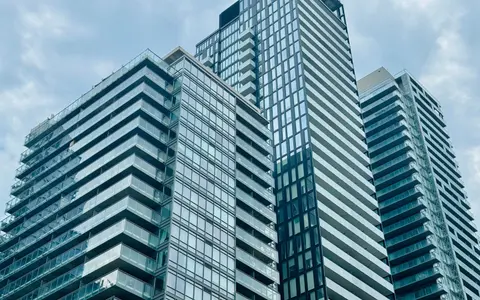
Condominium purchases
Buying a condominium means buying into a corporation with its own finances, rules and problems. We review the status certificate for the things that cost owners money later: a thin reserve fund, a recent or looming special assessment, ongoing litigation, sharply rising common expenses, or rules that quietly conflict with how you plan to use or rent the unit. Then we tell you plainly whether to proceed.
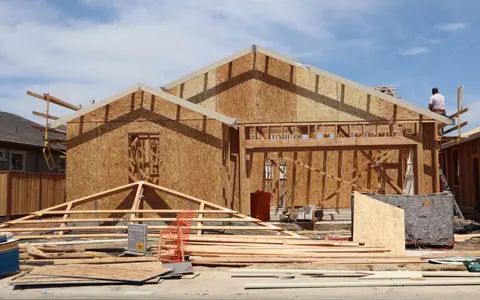
New builds and pre-construction
Pre-construction agreements are written by the builder, for the builder. We use the statutory cooling-off period on a new condominium to read the agreement and the disclosure statement while cancelling is still an option, and we explain the deposit structure, the builder's right to delay or change the project, the occupancy fees you may pay before closing, and where the new-home warranty picks up.

Commercial and investment property
Commercial deals turn on diligence: zoning and permitted use, the existing leases and what rights they give tenants, environmental history, and how the purchase is being financed. We act on purchases, sales and financing for owner-occupiers and for investors, and we can prepare or review the lease alongside the transaction so that the two documents actually agree with each other.

Title problems and title insurance
Undischarged mortgages, construction liens, easements running under the yard, a deck over a boundary, an open municipal work order — a search turns these up, and each has its own route to resolution. Some are cleared by the seller before closing, some are insured over so the deal can complete on time. We tell you which is which, and what you are accepting if you close.
How it works
- 1
Send us the agreement
Ideally before you sign it, while conditions can still be added or reworded. If the deal is already firm, send it the same day: the requisition date and the condition deadlines are running from the moment the offer was accepted.
- 2
We search title and requisition
We confirm the seller can transfer clean ownership, then formally demand that anything registered against the property is cleared, insured over or properly explained before closing rather than after. Anything we cannot resolve, you hear about while you still have options.
- 3
We handle the lender and the numbers
We take your mortgage instructions, prepare the charge, arrange the title insurance and build the statement of adjustments. By the end of it, the balance you need to close is a known figure with a date attached, not an estimate.
- 4
You sign
A short appointment shortly before closing, including Saturdays between 10 and 3. We go through each document with you, confirm how the funds are moving and where they need to come from, and answer whatever is still unclear to you.
- 5
Closing day
Funds are exchanged between the lawyers, the transfer and any mortgage are registered electronically, and the keys are released as soon as registration is confirmed. A reporting letter and a full set of your closing documents then follow shortly afterwards.
What does a real estate lawyer actually do between a firm deal and closing day?
The visible part is signing. The work sits behind it. We search title in Ontario's electronic land registration system to confirm the seller owns what they are selling, and that nothing registered against the property interferes with your ownership or your lender's security.
Where the search turns up a problem, we raise a requisition — a formal written demand that the seller fix it before closing. Most agreements set a requisition date for this, which is one reason the file has to run on schedule rather than in the last week.
Alongside that we order tax and utility certificates, take your mortgage instructions, arrange title insurance, prepare the transfer, and build the statement of adjustments. By the time you sign, the numbers are settled.
What will my closing costs be?
Land transfer tax is usually the largest single item. Ontario charges it on a sliding scale that rises with the price: 0.5 per cent on the first $55,000, 1 per cent to $250,000, 1.5 per cent to $400,000, and 2 per cent above that, with a further 2.5 per cent band above $2 million on land with one or two single-family residences. Buy in the City of Toronto and a separate municipal tax applies on top.
First-time buyers may qualify for a provincial refund of up to $4,000, covering the tax on the first $368,000 of value. Eligibility rules are strict, and the refund must be claimed within 18 months of registration if it is not applied at closing.
These figures are set by government and do change, so work from a live calculation rather than a rule of thumb — try our free Ontario land transfer tax calculator, then let us confirm it against your deal. Budget separately for legal fees and disbursements, title insurance, registration, and adjustments.
What does title insurance cover, and what does it not?
Title insurance is a one-time premium that buys a policy against certain risks attached to ownership: a defect in title a search did not reveal, a survey or boundary problem, some municipal work orders, and title fraud — someone forging a transfer or a mortgage against your property after you own it. Lenders normally require it, and most buyers take an owner's policy too.
What it does not do is replace the legal work. It does not cover a problem you knew about and accepted, it is not property insurance for fire, flood or damage, and it will not settle a dispute with the seller about the condition of the house.
Think of it as coverage for the risks that survive a careful search, not a substitute for doing one.
Is there a cooling-off period if I change my mind?
This is the most common and most expensive misunderstanding in Ontario residential real estate. For a resale home — a house or an existing condominium — there is no cooling-off period at all. Once the agreement is signed and accepted it binds you, and walking away can cost you the deposit and expose you to a claim for the seller's losses.
The 10-day period people have heard about is a different thing. It applies to a new, pre-construction condominium bought from the builder, and runs from receipt of the signed agreement, the disclosure statement and Ontario's Residential Condominium Buyers' Guide. Inside that window you can cancel for any reason and get your deposit back.
What protects a resale buyer is the conditions written into the agreement — financing, inspection, a satisfactory status certificate review. That is why it should be read before signing, not after.
What it costs
Residential closings are normally quoted as a flat legal fee plus disbursements, rather than by the hour. The fee is our work; the disbursements are what we pay out on your behalf — title search costs, the title insurance premium, registration charges, and the status certificate on a condominium.
Tell us the property, the price and the closing date and you will have the fee and a realistic estimate of the disbursements in writing before we start. Land transfer tax is separate again, and the calculator on this site gives you that figure. The 30-minute consultation is free.
What you walk away with
A clean closing is one where nothing surprises you: the title is clear, the money is where it should be, and the date holds — the product of work done weeks earlier.
- Registered ownership free of charges that were not part of the deal
- A title insurance policy, and a plain account of what it does and does not cover
- A statement of adjustments you understand line by line
- Your old mortgage properly discharged, on a sale or refinance
- A reporting letter and a full copy of the closing documents
Dates that actually matter
Almost every problem in a real estate file is a timing problem. These are the dates worth writing down the day your offer is accepted.
- Condition deadlines — Financing, inspection and status certificate conditions each expire on a fixed date. Miss one and the deal is generally firm whether or not you were satisfied.
- The requisition date — The agreement sets a date by which your lawyer must deliver requisitions on title. After it passes, your ability to object to certain defects narrows — which is why the search happens early, not in closing week.
- The 10-day cooling-off period — new condominiums only — For a new pre-construction condominium, the statutory rescission period runs 10 days from receipt of the signed agreement, the disclosure statement and the Residential Condominium Buyers' Guide. It does not exist for a resale home.
- Status certificate delivery — A condominium corporation must produce a status certificate within 10 days of a written request and payment of the prescribed fee, capped at $100 including taxes. Order it as soon as your offer is accepted.
- The first-time buyer refund — If it is not applied at closing, the provincial land transfer tax refund must be claimed within 18 months of registration. We raise it with you rather than wait to be asked.
Why Lexwood Law
- One lawyer on your file from the agreement through to registration
- A free land transfer tax calculator on this site, so you can budget before you offer
- Saturday signing appointments between 10 and 3, when most offices are closed
- Service in English, Urdu, Hindi and Punjabi
- Flat fee plus disbursements, quoted in writing before we start
Common questions
When should I involve a lawyer?
Before you sign, if you possibly can — that is when conditions can still be added and the closing date is still negotiable. If the deal is already firm, send us the agreement the same day, because the deadlines in it are already running.
What are typical closing costs?
Land transfer tax is usually the biggest, and a second municipal one applies in the City of Toronto. Then legal fees and disbursements, title insurance, registration, and adjustments for anything the seller prepaid. Use the calculator on this site for the tax; we quote the rest.
What is title insurance?
A one-time policy covering certain ownership risks: hidden title defects, survey and boundary problems, some work orders, and title fraud after you own the property. Lenders generally require it. It does not cover fire, flood or damage, or a problem you accepted.
What actually happens on closing day?
Your lawyer sends the balance of the price to the seller's lawyer, the transfer and any mortgage are registered electronically, and the keys are released once registration is confirmed. Most of it happens between lawyers while you are at work.
Can I back out after I sign?
For a resale home, generally no — there is no cooling-off period in Ontario, and walking away can cost you your deposit and more. The 10-day right to cancel applies only to a new pre-construction condominium bought from the builder.
Do I really need the status certificate reviewed?
For a resale condominium, yes. It is the reliable window into the corporation's reserve fund, special assessments, litigation and rules. The corporation has 10 days to produce it, so order it early and make your offer conditional on it.
Do you handle refinancing and title transfers?
Yes — refinances, lender switches, and transfers between family members such as adding a spouse or removing a former partner. Each carries land transfer tax and mortgage consequences, and we go through those before anything is registered.
How do I get started?
Call 1.888.973.4280 with the property, the price and the closing date. We will confirm what we need, quote the fee, and book a time — including Saturdays between 10 and 3.
This page is general information, not legal advice. Every matter is different — book a consultation for advice on your situation.